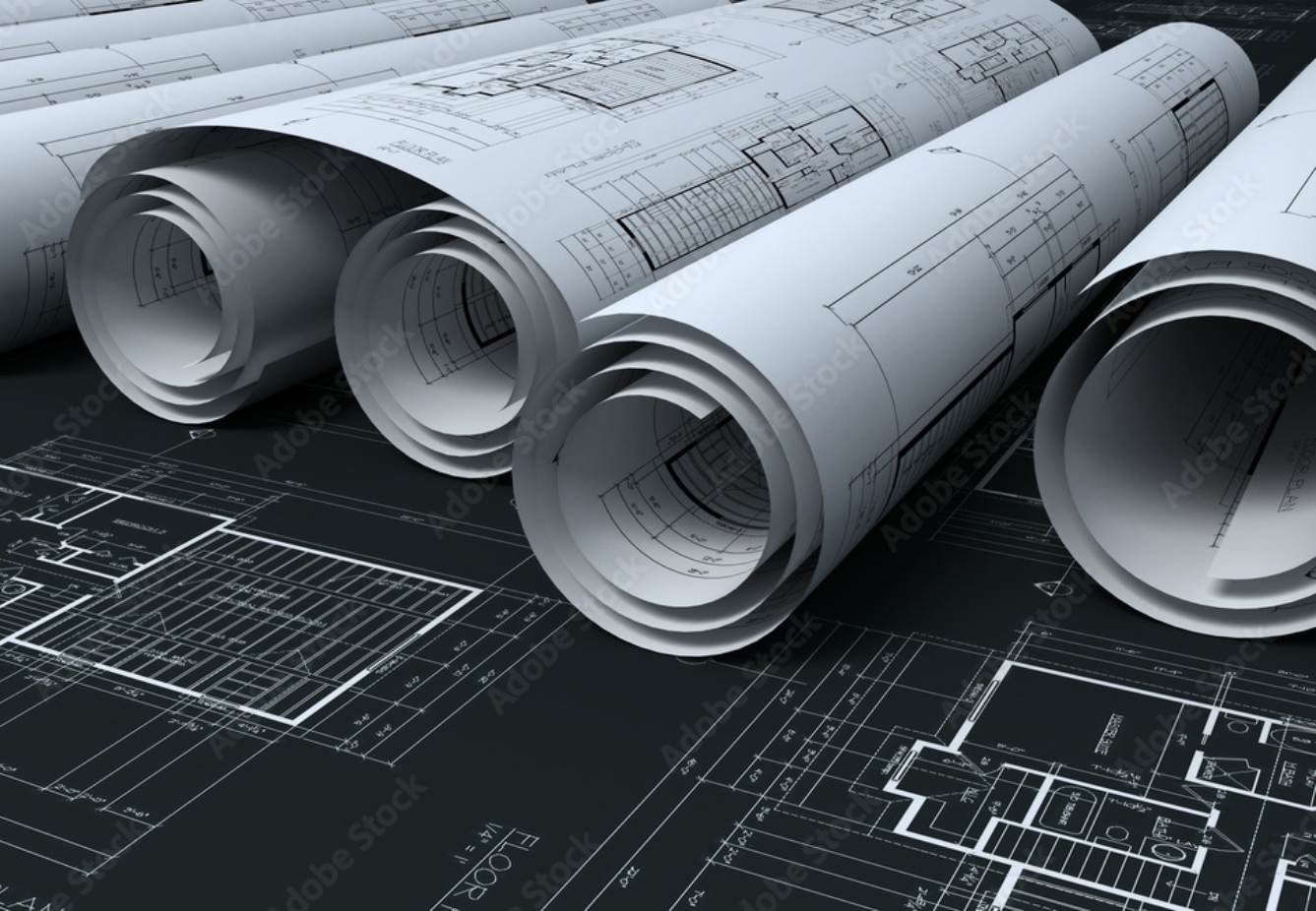
Blueprints are technical drawings, typically of architectural or engineering designs, traditionally reproduced using a contact print process on light-sensitive paper. The original process yielded a negative image with blue lines on a white background, hence the name “blueprint”. Modern methods, like the diazotype process, can produce dark lines on a white background. Blueprints serve as a detailed guide for construction, manufacturing, or other projects.
Key aspects of blueprints:
Technical Drawings:
Blueprints are essentially detailed technical drawings, often large-format, that specify the design and construction of a project.
Reproduction:
The process involves creating a copy of the original drawing, originally using a light-sensitive chemical reaction to produce the negative image.
Historical Context:
The term “blueprint” is rooted in the traditional method of creating copies with blue lines.
Modern Applications:
While the original process is less common, the term “blueprint” is still widely used to describe these technical drawings, regardless of the printing method.
Usage:
Blueprints are crucial for various fields, including architecture, engineering, construction, and even software development (where they can be used to define repeatable sets of resources or visual scripting).
Blueprinting
Blueprint
Please select artwork files:
Your browser doesn't have Flash, Silverlight or HTML5 support.